Category: Explore all Blogs

  • Home
  • Explore all Blogs

Invoice, E-Way Bill and LR: Understanding the Difference

Moving commercial goods by road involves several documents. Among the most common are the invoice, e-way bill and lorry receipt, usually called an LR. Because the same shipment may carry all three documents, people sometimes assume that they serve the same purpose. However, each document performs
ChatGPT Image Aug 6 2026 01 04 28 PM

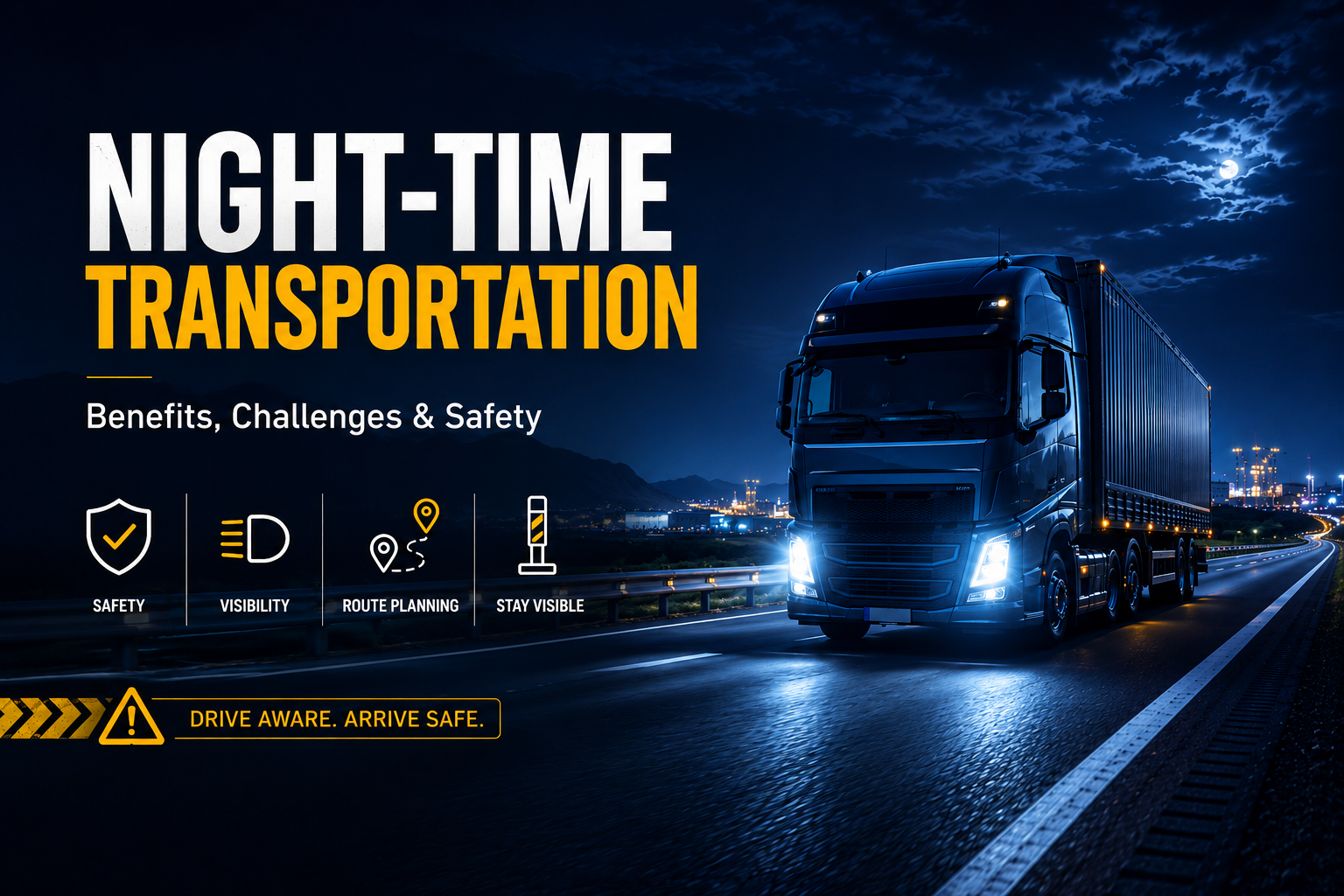
Night-Time Transportation: Benefits, Challenges and Safety Measures

Transportation does not stop when the sun goes down. For logistics companies, manufacturers and distributors, night-time transportation can help reduce delays, improve vehicle utilisation and support faster deliveries. However, driving at night also introduces challenges such as reduced visibility, driver fatigue and increased safety risks. Successful

ChatGPT Image Aug 6 2026 12 54 55 PM

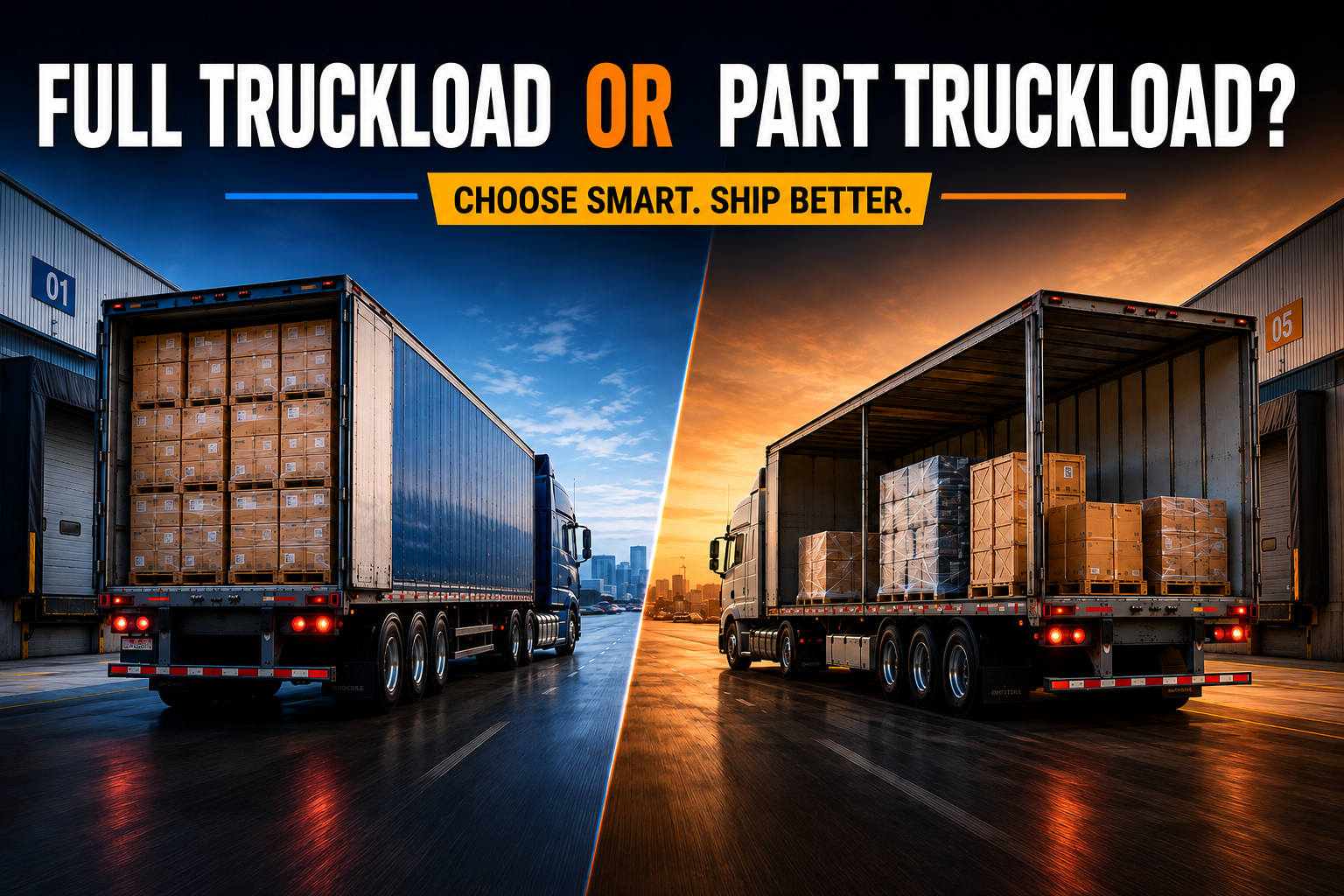
Choosing Between Full Truckload and Part Truckload Shipping

Choosing the right transportation method can directly affect your delivery time, freight cost and cargo safety. Two of the most common road freight options are Full Truckload (FTL) and Part Truckload (PTL). Both options are useful, but the right choice depends on the size of your

ChatGPT Image Aug 5 2026 04 01 05 PM

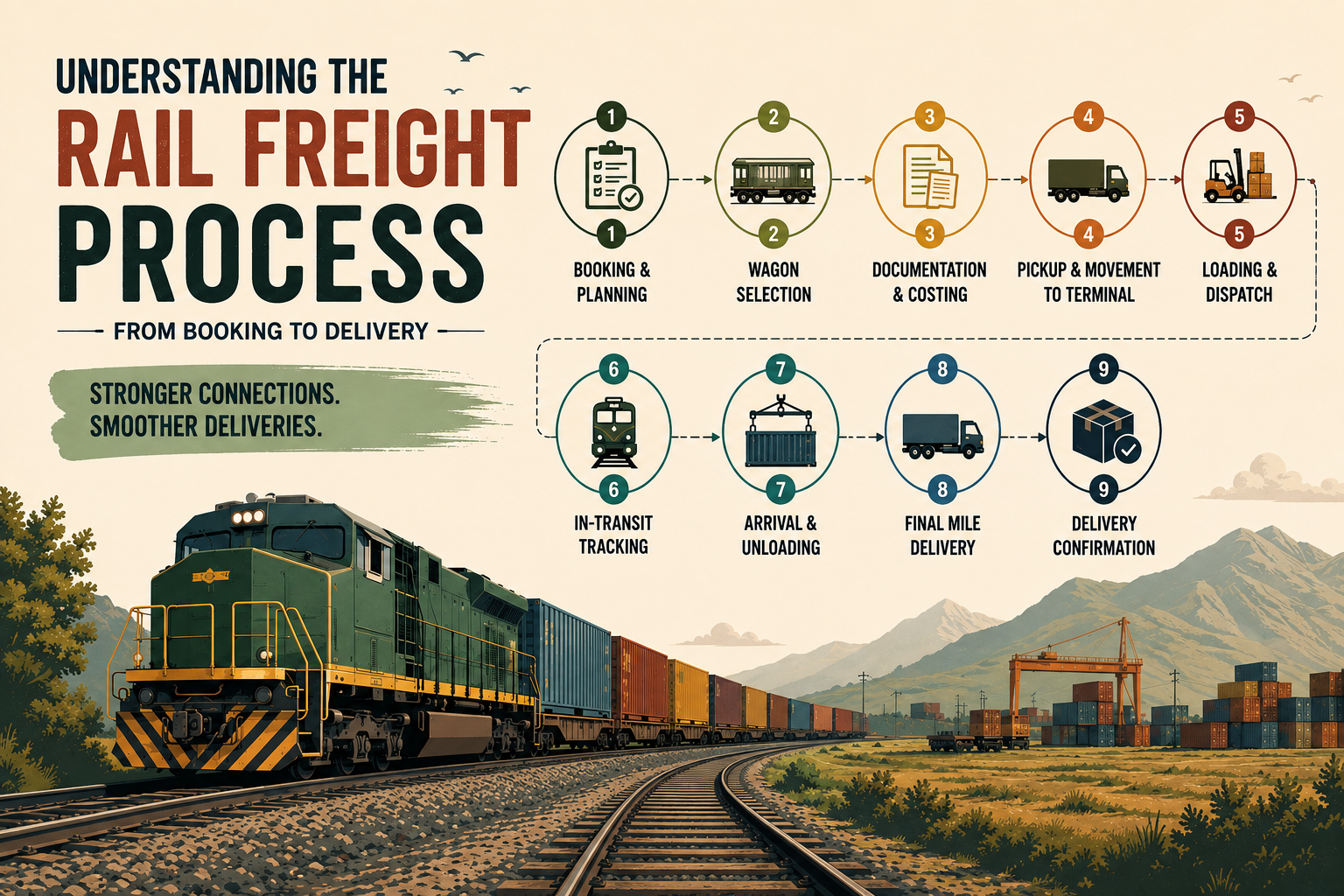
Understanding the Rail Freight Process: From Booking to Delivery

Rail freight is a reliable and cost-effective option for transporting heavy, bulky and high-volume goods over long distances. It is commonly used for industrial materials, machinery, packaged goods, vehicles, raw materials and bulk cargo. The process involves more than simply loading goods onto a train. It

ChatGPT Image Aug 5 2026 03 50 01 PM

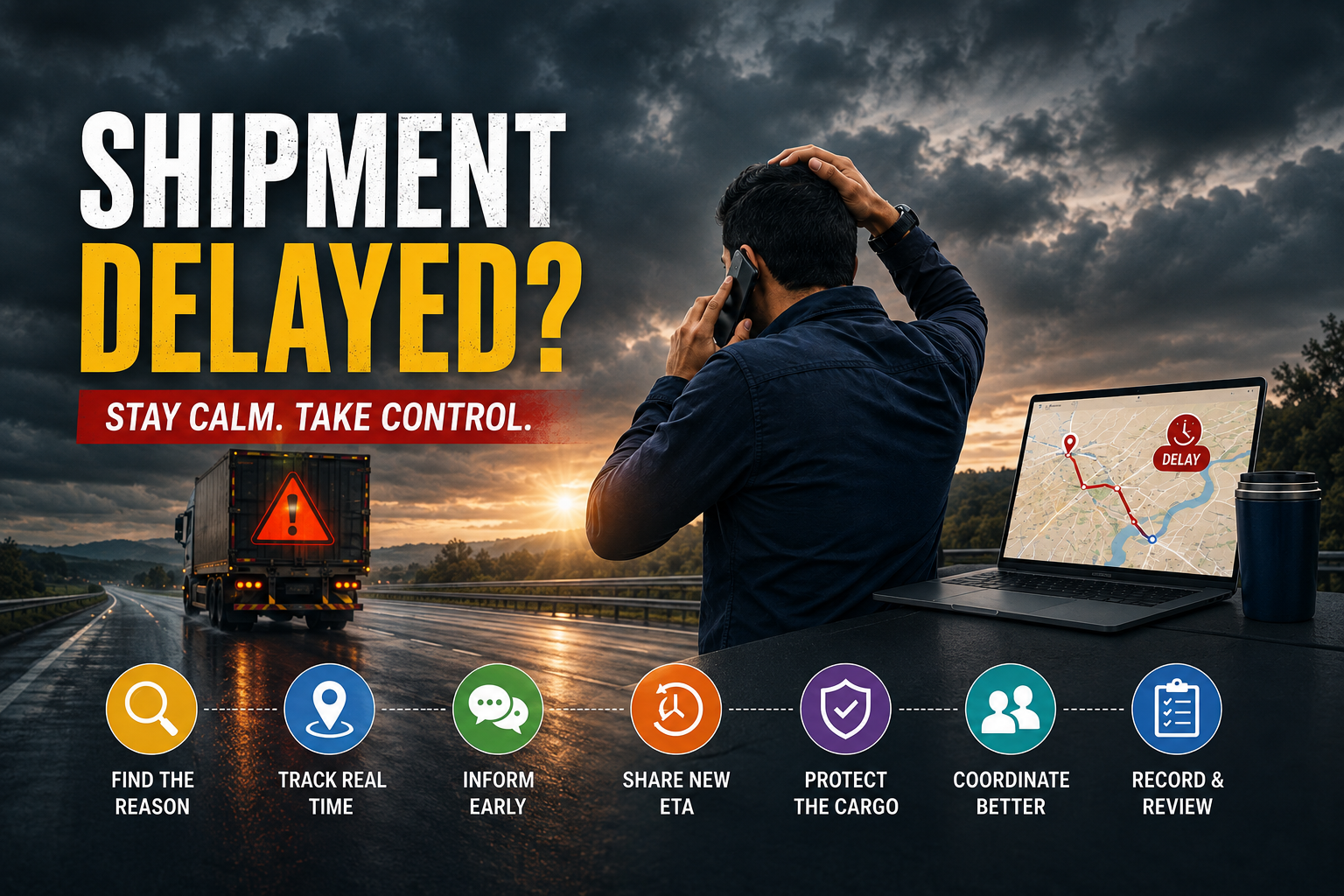
What to Do When a Shipment Is Delayed

Shipment delays are one of the most common challenges in logistics. Traffic congestion, vehicle breakdowns, bad weather, documentation issues, route restrictions or operational problems can affect even a well-planned delivery. Although every delay cannot be prevented, the way a business responds can make a major difference.

erp integration transportation

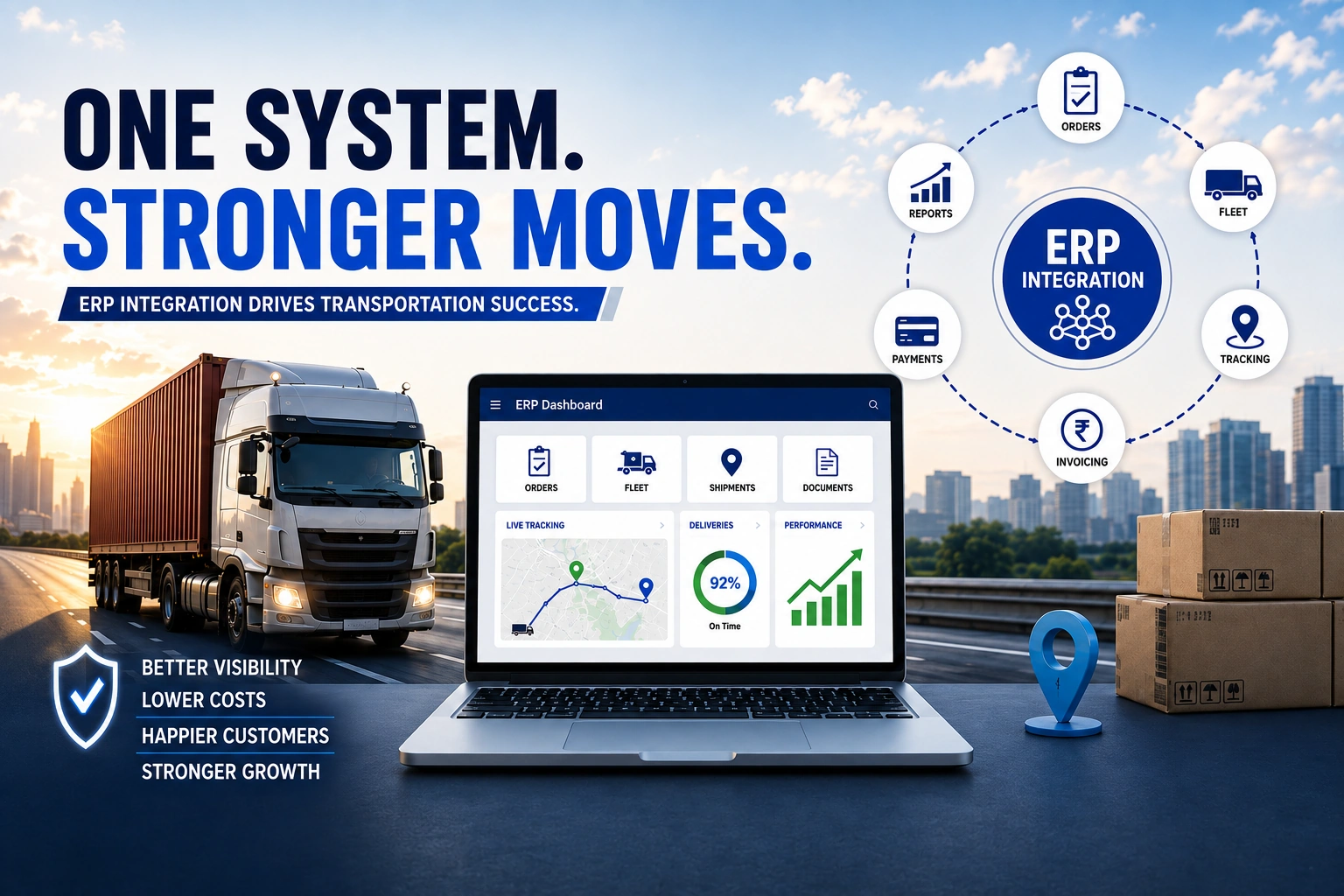
Why ERP Integration Matters in Modern Transportation

Modern transportation involves much more than moving goods from one location to another. Transport companies must manage vehicles, drivers, customers, freight rates, invoices, documentation, delivery schedules, fuel expenses and shipment tracking at the same time. When these activities are handled through separate spreadsheets, phone calls and

How logistics companies can reduce

How Logistics Companies Can Reduce Fuel Consumption Without Delaying Deliveries

Fuel is one of the biggest operating costs in the logistics industry. For transport companies, even a small reduction in fuel usage can improve profitability, reduce wastage and support more sustainable operations. However, fuel saving should never come at the cost of delayed deliveries. Customers expect

why manufacturer

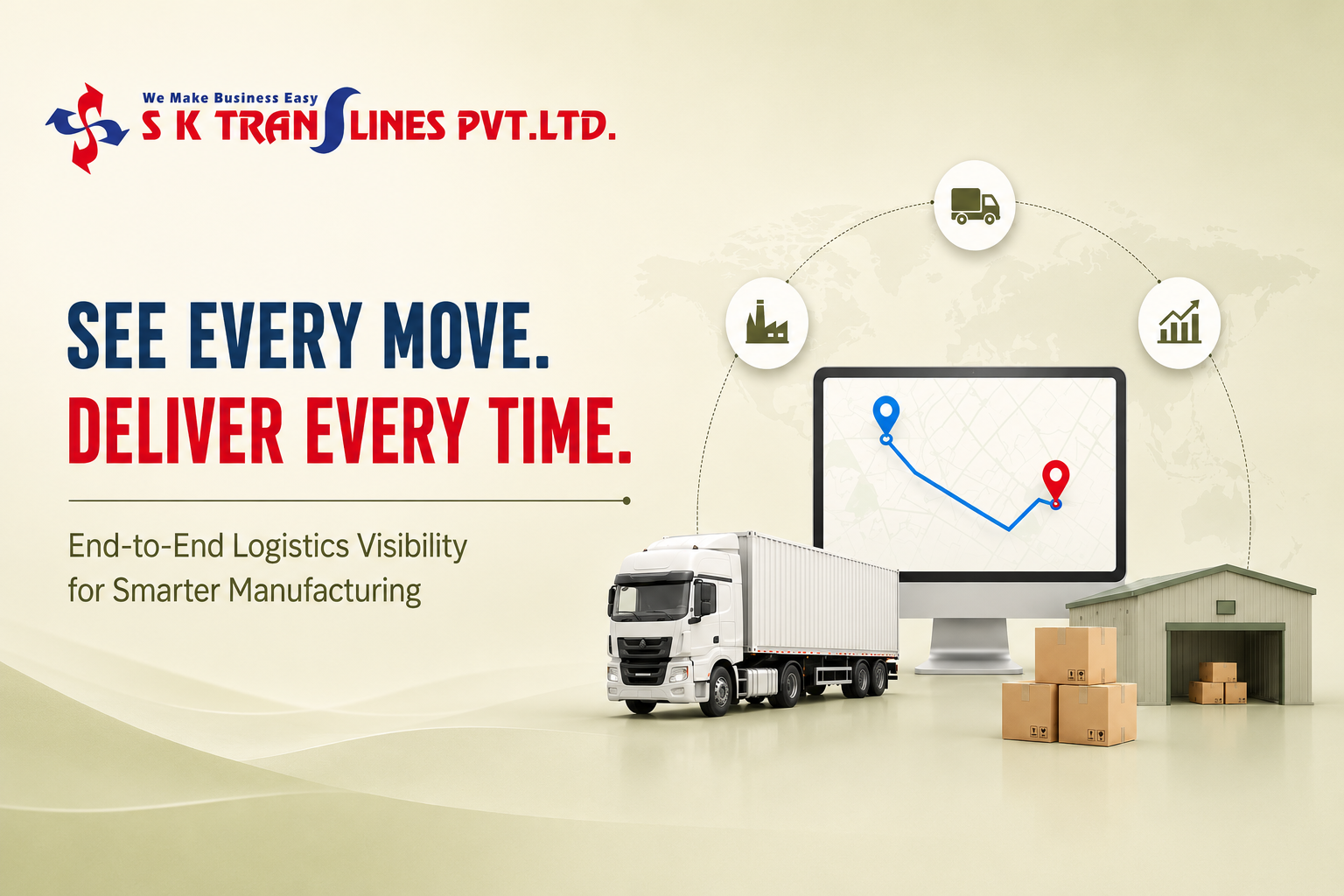
Why Manufacturers Need End-to-End Logistics Visibility

Manufacturing businesses depend on smooth movement of raw materials, finished goods, vehicles, warehouses and delivery partners. A delay in one part of the supply chain can affect production schedules, dispatch planning, customer commitments and overall business performance. This is why manufacturers need end-to-end logistics visibility. End-to-end

Why Driver coordination

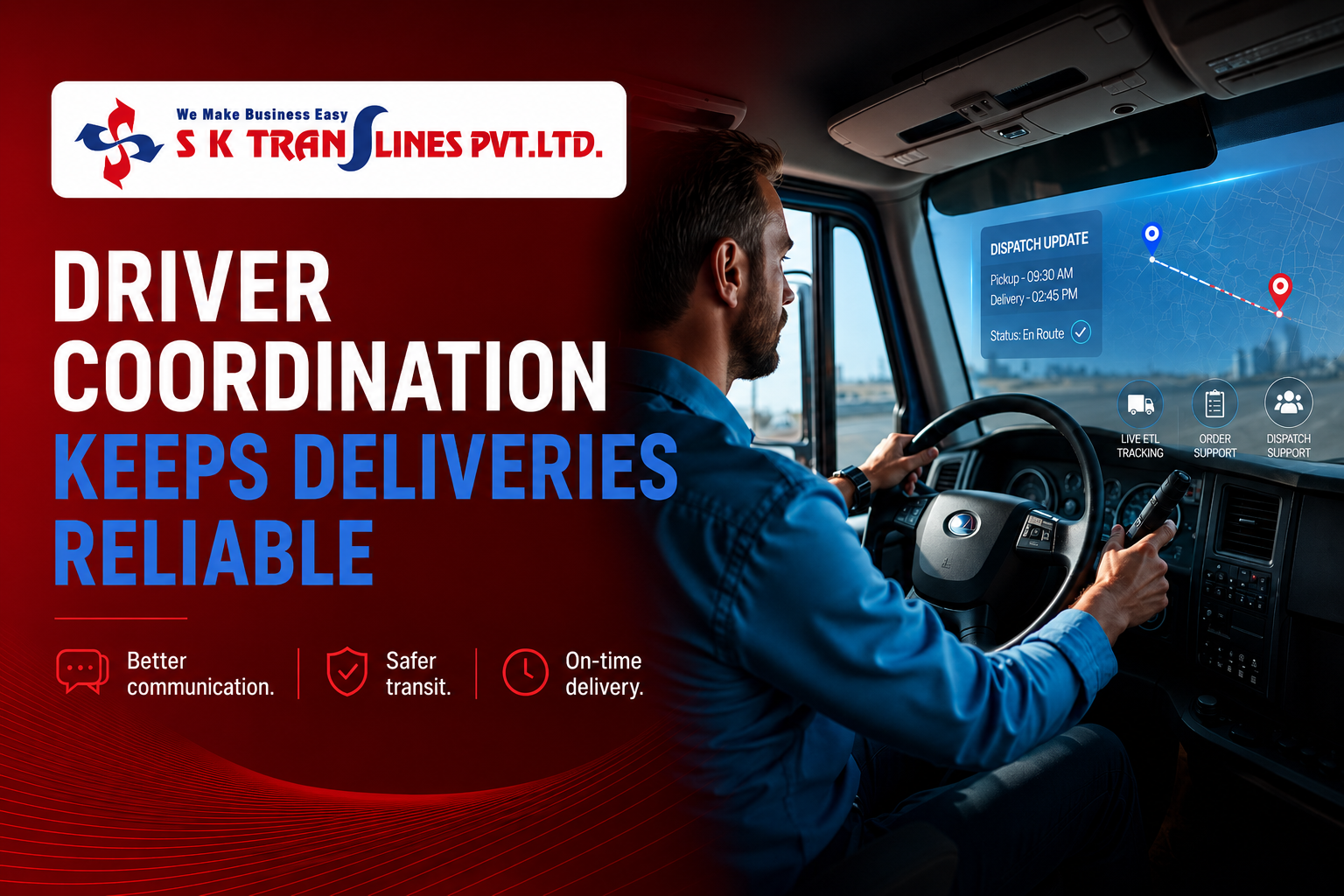
Why Driver Coordination Is Critical in Reliable Goods Transportation

Reliable goods transportation depends on more than vehicles routes and technology. At the center of every successful delivery is strong driver coordination. Drivers are the people who move goods from one point to another. They handle real road conditions time pressure customer expectations and unexpected challenges.

Lower cost higher risk

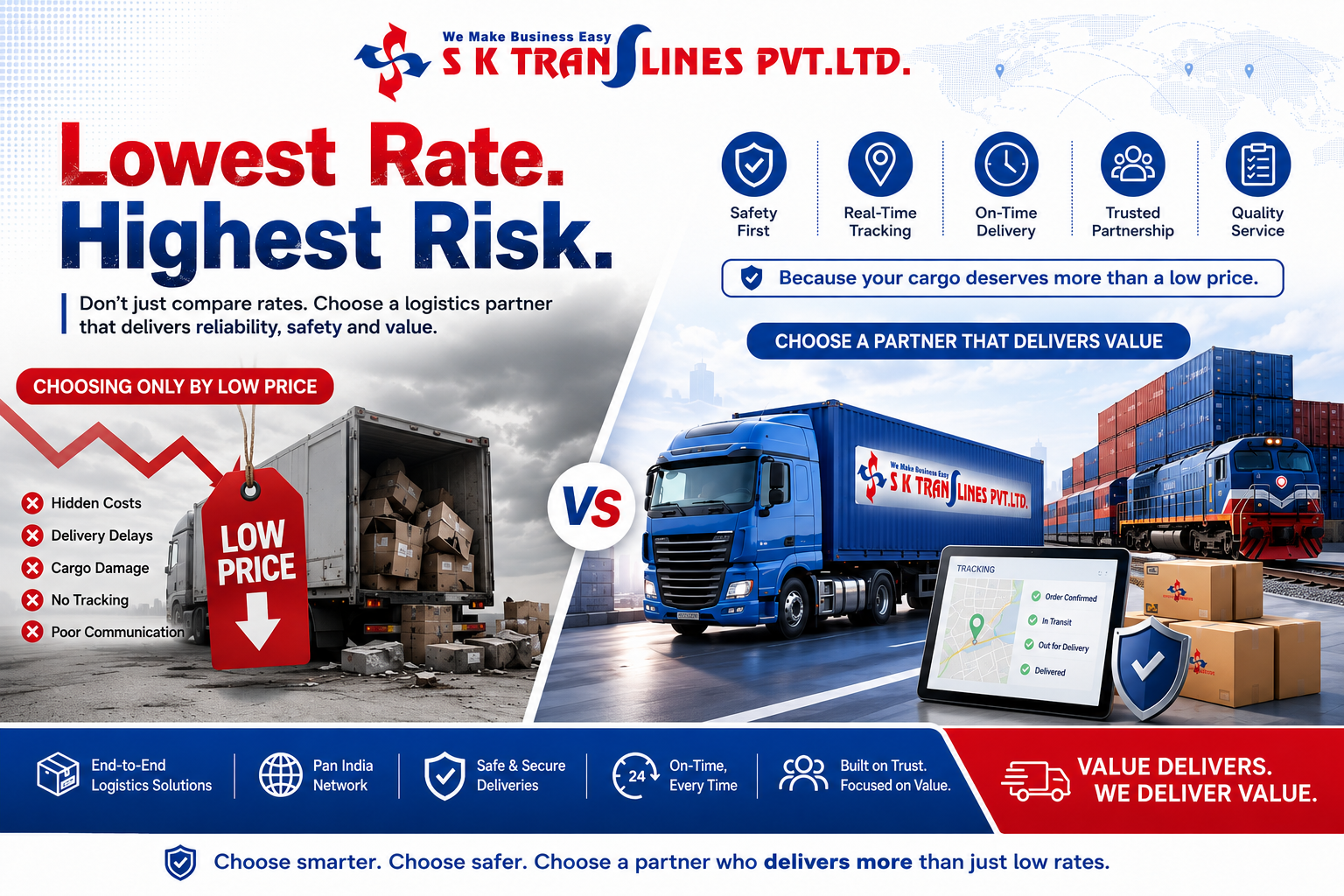
Why Businesses Should Not Choose Logistics Partners Only by Lowest Rate

Choosing a logistics partner is one of the most important decisions for any business that depends on timely delivery, safe movement of goods and smooth supply chain operations. Many companies compare logistics providers mainly on price and select the one offering the lowest rate. At first,