


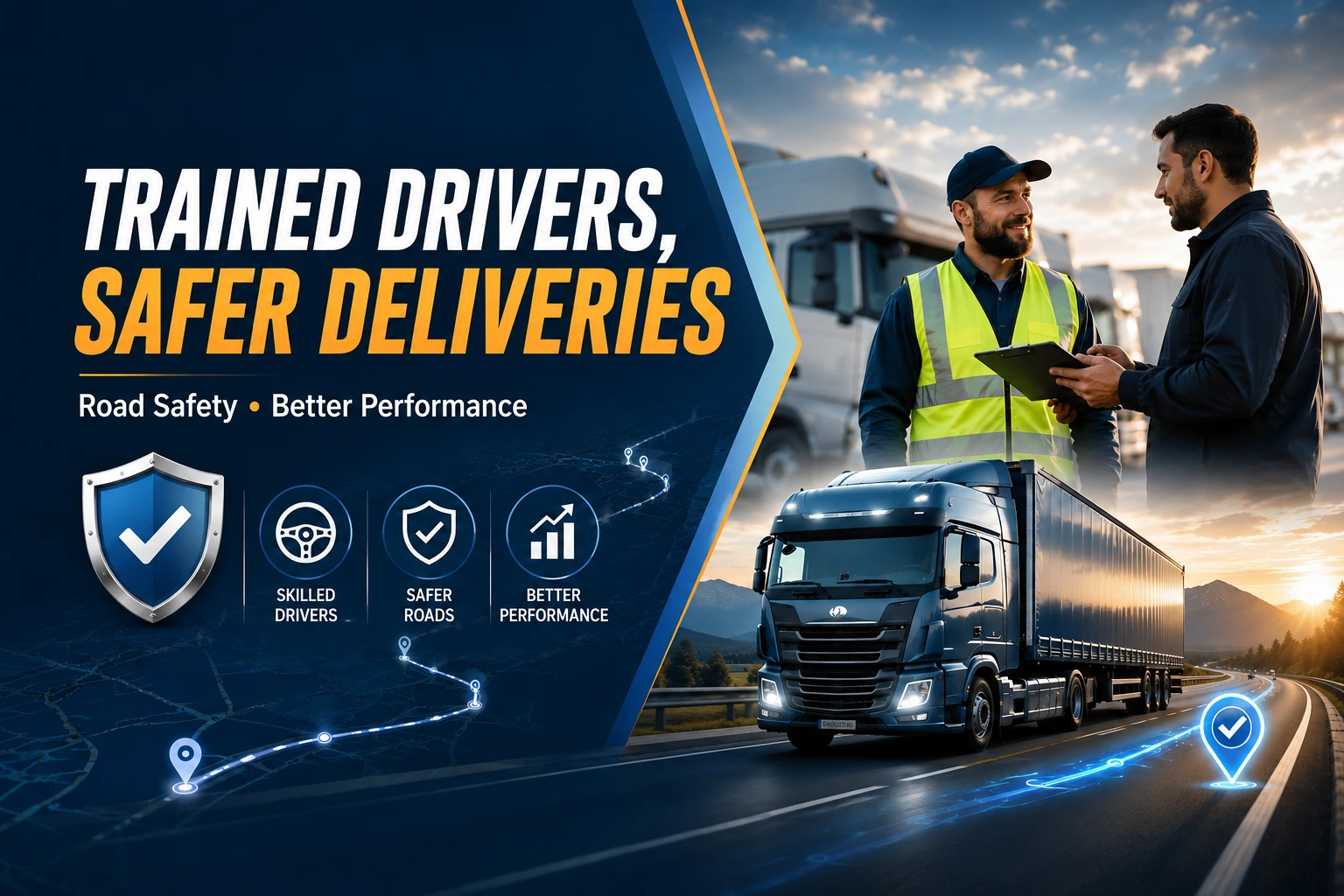
In the transportation industry, drivers are responsible for much more than moving a vehicle from one location to another. Their decisions affect road safety, cargo condition, fuel consumption, vehicle maintenance and delivery timelines.
A well-trained driver can help prevent accidents, reduce operational costs and improve customer satisfaction. This is why regular driver training is essential for every logistics and transportation company.
Reduces the Risk of Accidents
Driver training teaches safe driving practices such as maintaining proper speed, following lane discipline and keeping a safe distance from other vehicles.
Drivers also learn defensive driving techniques, which help them identify possible dangers before they turn into serious situations. This is especially important when operating heavy commercial vehicles, which require more time and distance to stop.
Improves Hazard Awareness
Road conditions can change quickly due to traffic, weather, potholes, construction work or unexpected vehicle movement.
Trained drivers are more alert and better prepared to respond to these risks. They learn to observe the road ahead, check mirrors regularly and adjust their speed according to the surroundings.
Better awareness helps reduce collisions, sudden braking and cargo damage.
Helps Manage Driver Fatigue
Long-distance driving can lead to tiredness, slower reactions and poor judgement.
Training helps drivers identify warning signs such as frequent yawning, difficulty focusing and trouble staying within the lane. Drivers are encouraged to take proper rest breaks instead of continuing the journey while tired.
Transport companies should also support drivers by creating realistic schedules and allowing enough rest between trips.
Improves Vehicle Handling
Commercial vehicles behave differently when fully loaded. Their turning, braking and balance can change depending on the weight and distribution of the cargo.
Driver training prepares drivers to handle:
- Sharp turns
- Heavy traffic
- Wet or damaged roads
- Steep slopes
- Emergency braking
- Reversing and parking
- Fully loaded vehicles
Better vehicle control helps reduce accidents, tyre damage and vehicle breakdowns.
Protects Cargo During Transportation
Incorrect loading can affect vehicle balance and increase the risk of cargo damage.
Trained drivers understand the importance of proper load distribution, cargo securing and vehicle capacity. They can identify loose, overloaded or unevenly placed goods before departure.
They may also inspect the cargo during scheduled stops to ensure it remains secure throughout the journey.
Improves Delivery Performance
Trained drivers are more likely to follow approved routes, avoid unnecessary stops and communicate delays on time.
They understand how to balance speed with safety and complete deliveries without taking unnecessary risks. This improves delivery reliability and helps businesses meet customer expectations.
Professional drivers also handle delivery documents carefully and confirm shipments accurately.
Reduces Fuel Consumption
Driving behaviour has a major impact on fuel usage.
Sudden acceleration, harsh braking, speeding and excessive idling can increase fuel consumption. Training encourages drivers to maintain a steady speed, use the correct gear and plan braking in advance.
These habits improve fuel efficiency and reduce transportation costs.
Lowers Vehicle Maintenance Costs
Aggressive driving can increase wear on tyres, brakes, suspension and engine components.
Trained drivers operate vehicles more smoothly and perform basic inspections before every trip. They check tyres, brakes, lights, mirrors, fluid levels and safety equipment.
Early identification of mechanical problems can prevent expensive repairs and unexpected delivery delays.
Improves Emergency Response
Breakdowns, accidents, tyre failures and cargo issues can happen during any journey.
Driver training prepares drivers to respond calmly and correctly. They learn how to stop the vehicle safely, place warning signs, contact the control team and use emergency equipment.
A proper response can protect the driver, cargo, vehicle and other road users.
Supports Better Use of Technology
Modern transportation companies use GPS tracking, mobile applications and digital proof-of-delivery systems.
Drivers need proper training to use these tools correctly. They should know how to follow approved routes, update delivery status, report delays and upload delivery documents.
Technology becomes more effective when drivers understand how to use it safely and accurately.
Improves Customer Service
Drivers often represent the transport company at pickup and delivery locations.
A trained driver communicates professionally, follows site rules and handles goods carefully. Good behaviour creates a positive impression and strengthens customer trust.
Professional communication is especially important when reporting delays, shortages or cargo damage.
Why Regular Training Is Important
One-time training is not enough. Road conditions, vehicle technology and transport regulations continue to change.
Regular refresher programmes help drivers improve their skills, correct unsafe habits and learn new procedures. Companies can also use GPS data, driver scorecards and incident reports to identify areas that need improvement.
Final Thoughts
Driver training is an important investment in both safety and performance.
Well-trained drivers help reduce accidents, protect cargo, improve fuel efficiency and complete deliveries more reliably. They also reduce vehicle damage and create a better experience for customers.
By providing regular training and monitoring driver performance, transportation companies can build safer roads and more efficient logistics operations.